


 TH
TH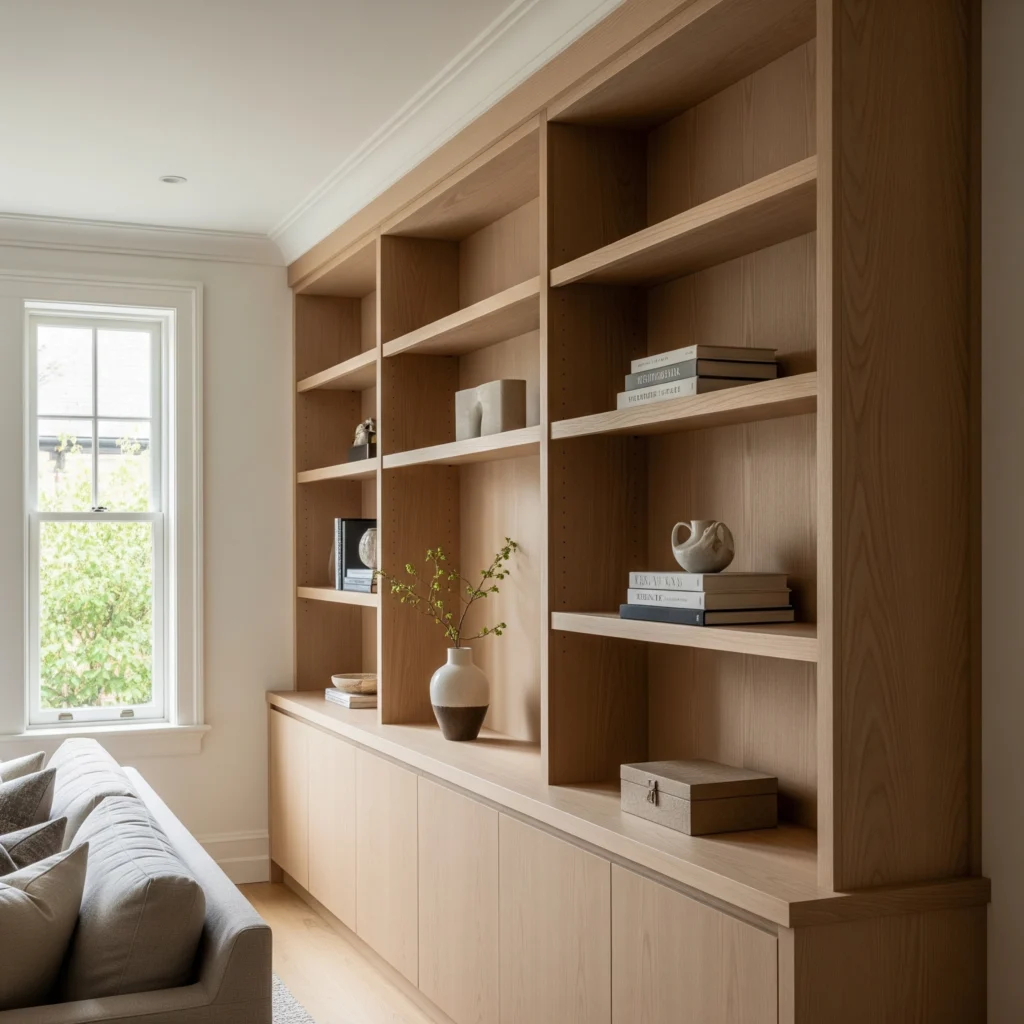
When it comes to interior design, one of the most common terms you will encounter is “Built-in Furniture.” Whether you are renovating a condo or building a new house, understanding what it is and how it differs from other types of furniture is essential for creating your dream space.
What exactly is Built-in Furniture?
Built-in furniture (also known as “fitted furniture”) refers to furniture that is specifically designed, measured, and installed to fit into a particular space or corner of a room. Unlike standard furniture you buy from a store, built-ins are permanently attached to the walls, floor, or ceiling, making them a seamless part of the room’s architecture.
Common examples include:
Kitchen Cabinets: Customized to fit your appliances and counter space.
Wardrobes: Floor-to-ceiling closets that maximize storage.
TV Consoles: Designed to hide cables and fit the exact dimensions of your living room wall.
Nook Seating: Built into window bays or corners.
The Advantages of Built-in Furniture
Space Optimization: This is the biggest selling point. Built-ins can turn awkward corners, sloped ceilings, or narrow gaps into functional storage spaces. There is no “dead space” left over.
Customization and Functionality: You have full control over the material, color, height, and internal compartments. Want a specific drawer for your watches or a hidden spice rack? Built-ins make it possible.
Aesthetic Continuity: Because it is designed for the room, it creates a clean, organized, and premium look. It blends perfectly with the interior style, making the room feel more spacious and less cluttered.
Durability: Since they are fixed structures, built-ins are often sturdier than mass-produced flat-pack furniture.
The Disadvantages to Consider
Fixed Position: Once installed, you cannot move it. If you like to rearrange your furniture frequently, built-ins might not be for you.
Higher Cost: Due to the custom design, labor, and professional installation, built-ins are generally more expensive than “Loose Furniture” (ready-made pieces).
Installation Time: It takes time to measure, fabricate, and install. It’s not an “instant” solution like buying a chair and taking it home.
Permanent Change: If you decide to remove it later, it often requires repairs to the walls or floors where it was attached.
Built-in vs. Loose Furniture: Which one should you choose?
Choose Built-in if: You want a high-end look, have a small space to maximize, or plan to stay in your home for a long time. It is ideal for kitchens and bedrooms.
Choose Loose Furniture if: You are on a budget, renting a place, or enjoy changing your room layout every few months. It is ideal for sofas, coffee tables, and dining sets.
Conclusion
Built-in furniture is an investment in both the beauty and the functionality of your home. While it requires more planning and a higher budget, the result is a personalized space that reflects your lifestyle and utilizes every square inch of your property efficiently.