


 TH
TH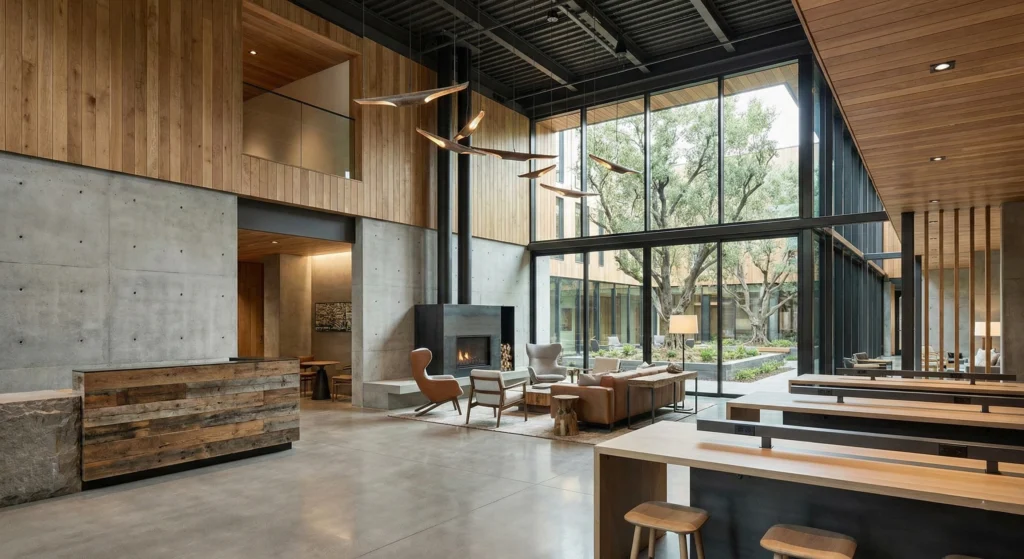
In the competitive world of hospitality, hotel design is no longer just about providing a place to sleep. It is about creating an “experience” and a “lasting impression.” Whether it’s a luxury resort or a boutique city hotel, the integration of innovative architecture, thoughtful interior design, and robust construction standards is the key to success.
1. Concept and Brand Identity
Every great hotel starts with a strong concept. The design must reflect the brand’s identity and tell a story that resonates with the target audience.
Cultural Context: Modern designs often incorporate local elements, materials, and art to give guests a sense of “place.”
Target Demographics: A hotel designed for business travelers will prioritize efficiency and connectivity, while a wellness resort focuses on tranquility and natural integration.
2. The Art of “The First Impression”: The Lobby
The lobby is the heart of the hotel. Current trends are moving away from traditional, formal reception desks toward “social hubs.”
Multi-functional Spaces: Modern lobbies now combine check-in areas with co-working spaces, lounges, and high-end cafes.
Zoning: Effective floor planning ensures a seamless flow between the entrance, elevators, and public amenities.
3. Guest Room Optimization
The guest room is a private sanctuary. Design here focuses on “Human-Centric Design.”
Smart Technology: Integration of IoT for lighting, temperature control, and automated curtains.
Biophilic Design: Using natural light, indoor plants, and organic materials to reduce stress and improve air quality.
Ergonomics: Maximizing space in smaller rooms through multi-purpose furniture without sacrificing comfort.
4. Technical and Construction Standards
Behind the beautiful interiors lies the complexity of hotel construction. Professional firms must adhere to strict regulations:
Building Codes & Safety: Fire safety systems, emergency exits, and accessibility (Universal Design) for elderly or disabled guests.
Acoustic Engineering: High-quality soundproofing is essential to ensure guest privacy and quietness between rooms and floors.
MEP Systems: Efficient Mechanical, Electrical, and Plumbing (MEP) systems are the backbone of hotel operations, directly impacting long-term maintenance costs.
5. Sustainability: The Future of Hospitality
Eco-friendly construction is no longer an option but a necessity.
Energy Efficiency: Using LED lighting, high-performance insulation, and solar energy.
Sustainable Materials: Sourcing recycled or locally produced materials to reduce the carbon footprint.
Water Management: Implementing water-saving fixtures and greywater recycling systems.
Conclusion
Successful hotel design is a delicate balance between form and function. By combining visionary architecture with practical construction solutions, developers can create spaces that are not only visually stunning but also operationally efficient and profitable in the long run.